Missing your favourite dance class is frustrating. So is returning after a break and discovering that a movement you once performed without thinking now feels uncomfortable or uncertain. If you are preparing for your first wedding dance, an injury can bring an extra worry: what happens to the routine you have been looking forward to?
A useful recovery plan starts with understanding what is wrong, then choosing treatment that helps you work towards the movements you want to enjoy again. Physiotherapy, osteopathy, massage and other approaches can have a place, but their value depends on your individual needs.
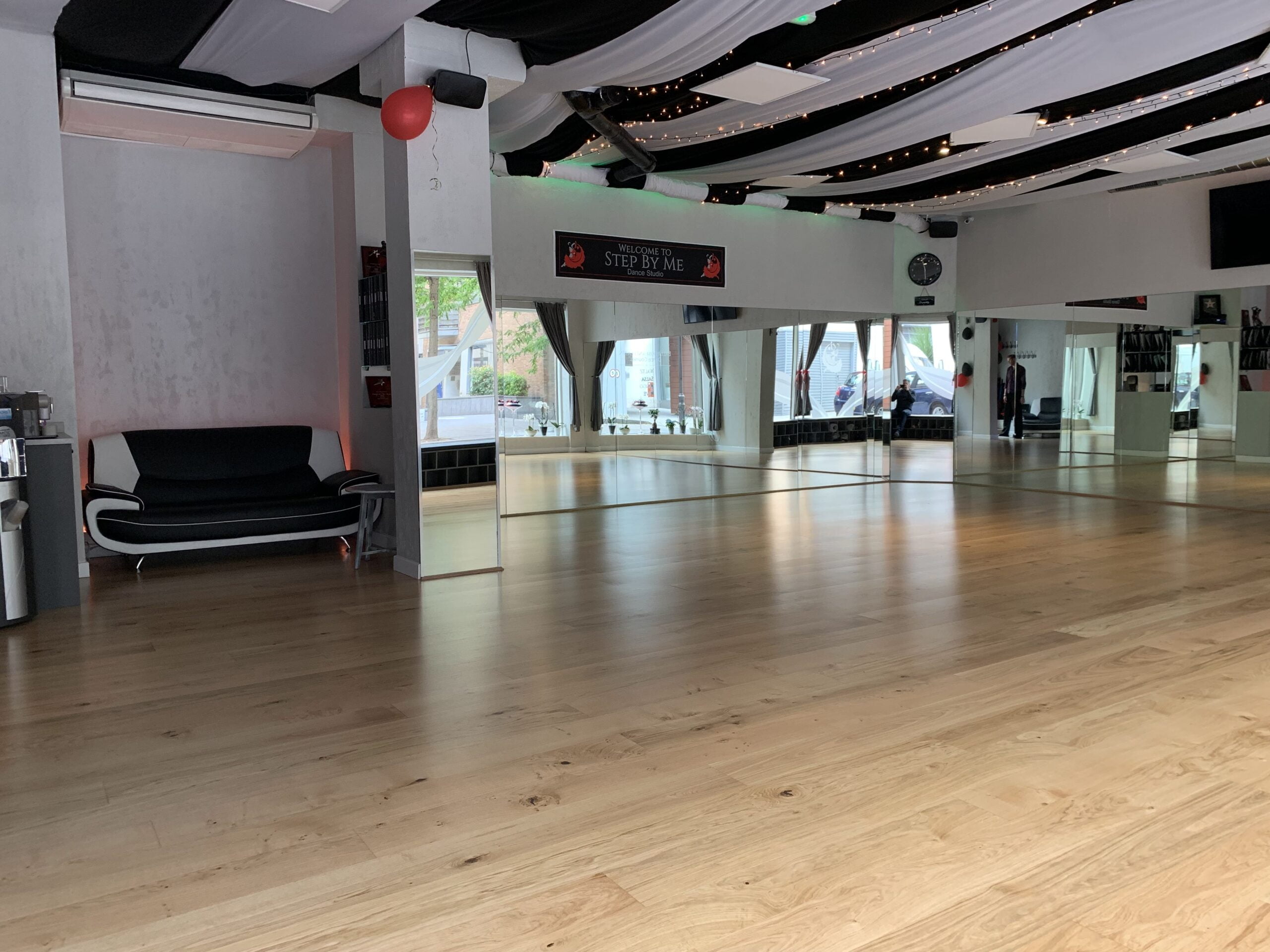
For the Ballroom, Latin and wedding dance community at Step By Me Dance Studios in Westminster, this guide explains how to approach recovery, what different professionals can offer and how to keep your dance goals realistic along the way.
Start with the problem you want to solve
Before booking a treatment, think about what has changed. Did discomfort begin suddenly during a lesson? Has it built up over several weeks? Does it affect walking, or only appear when you dance?
These observations give a healthcare professional useful context. You do not need to diagnose yourself. Instead, arrive with a clear description of what you have noticed.
It can help to write down:
- When symptoms started and whether there was a particular incident.
- Which movements bring them on.
- Whether discomfort continues after practice or returns the next morning.
- Any recent changes in lessons, home practice, footwear or other exercise.
- What you would like to return to, from a weekly social class to a wedding routine.
A vague goal such as “make my leg feel better” is understandable. A more specific goal, such as “feel comfortable changing direction during my dance lesson”, gives you and your clinician something practical to discuss.
Know when to seek prompt help
After an injury, severe or increasing pain, major swelling or difficulty taking a few steps should prompt advice from NHS 111. A limb that looks deformed, becomes numb, or turns blue, grey or cold needs emergency assessment.
For a recent sprain or strain, NHS guidance includes protecting the area and managing swelling during the first few days. Avoid heat and massage initially. Ask a pharmacist or clinician about appropriate symptom relief and seek assessment if the problem is worsening or not improving. [1]
Build a plan with the right professional
Different practitioners may use some of the same methods. The important questions are whether they can assess your problem appropriately, explain their recommendations and help you measure progress.
Physiotherapy: linking treatment to movement
Physiotherapy is used for a range of muscle, joint and sports injuries. Assessment may include strength, balance and movement checks, followed by a programme of exercise, symptom-management advice and, where appropriate, hands-on treatment. [2]
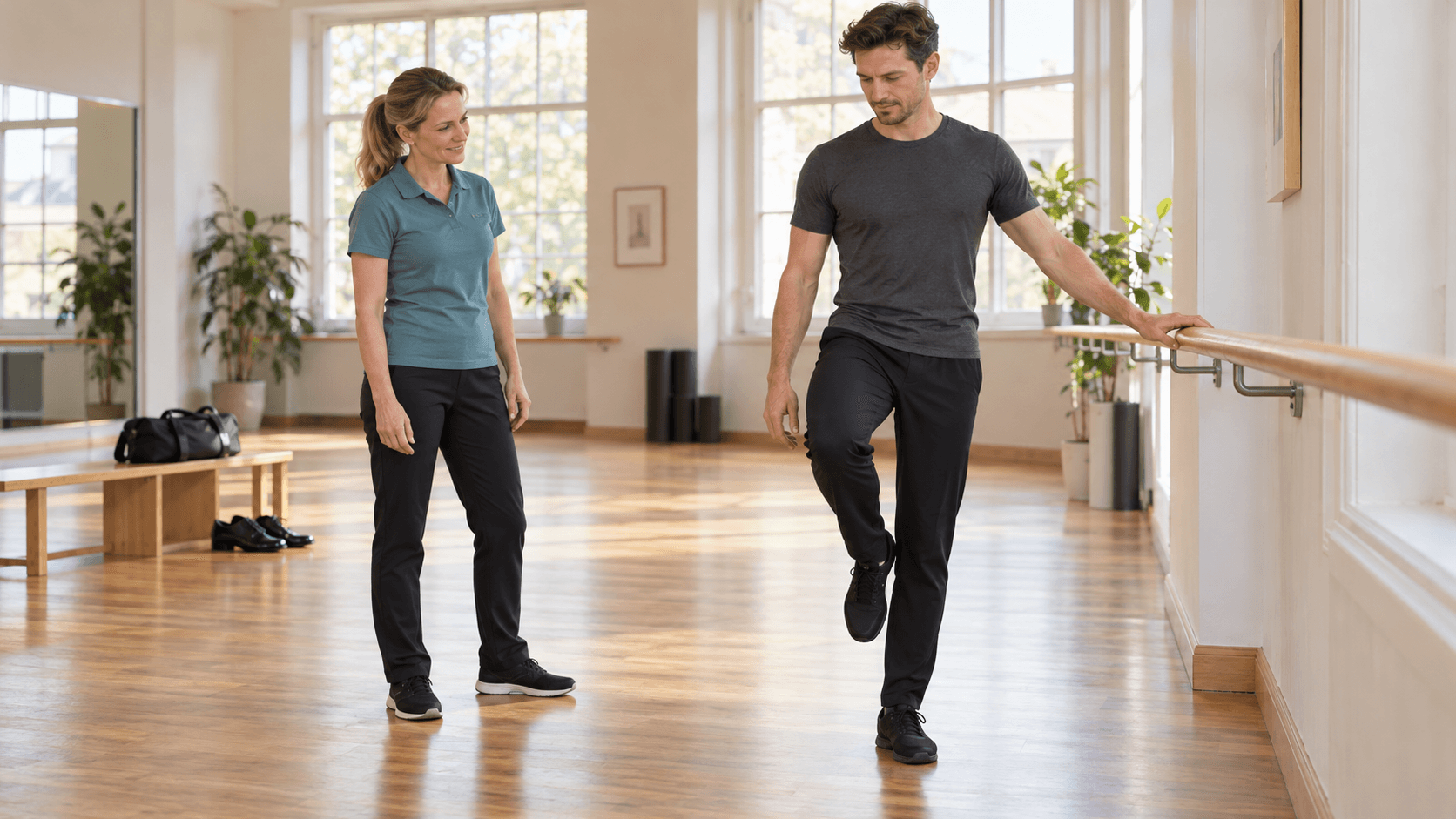
For dancers, it is worth explaining the demands of partner work as well as individual steps. Moving slowly on your own can feel different from keeping time with a partner or responding to a change of direction.
Ask your physiotherapist to help you understand the gap between what you can comfortably do now and what your dancing requires. The programme should also tell you what to practise between appointments and when to seek a review.
Osteopathy: assessment and hands-on care
An osteopath considers your symptoms, medical history and movement before proposing treatment. Depending on the findings, care may include hands-on techniques intended to ease pain and improve mobility, supported by exercise or self-care advice.
An appointment should include an explanation of the likely benefits, possible risks and realistic aims of treatment. Osteopaths should also recognise when referral to another healthcare professional is needed. Check that your practitioner appears on the General Osteopathic Council register. [3]
There is overlap between osteopathy and physiotherapy, so choosing between them is not simply a question of “hands-on treatment or exercises”. Ask how the proposed approach addresses your particular condition. Neither profession can promise a fixed recovery date for every dancer.
Podiatry: when feet and footwear need attention
A musculoskeletal podiatrist may be helpful when symptoms centre on the foot or ankle. Assessment can lead to advice on footwear, exercises, padding or insoles, depending on the problem. [4]
For dance-related appointments, bring the shoes you practise in. Explain whether discomfort develops in those shoes, everyday footwear or both. If an insole is recommended, ask which shoes can accommodate it properly and whether you need different advice for lessons.
Avoid assuming that a particular heel height or shoe design will suit everyone. A useful recommendation should take your symptoms and the practical demands of your dancing into account.
Understand what each treatment is meant to achieve
A recovery plan may combine several treatments, but each should have a clear purpose. Some aim to help you manage discomfort. Others build the strength or movement needed for a return to activity.
Massage and manual therapy
Sports massage and other soft tissue techniques may form part of hands-on care. Discuss whether they are appropriate for your diagnosis and stage of recovery, particularly if the injury is recent.
For low back pain, NICE advises that manual therapy, including massage or joint mobilisation, should be considered only as part of a package that includes exercise. [5]
That is a useful question to bring to an appointment: “How will this treatment support the rest of my recovery?” Feeling more comfortable afterwards can be welcome, but you still need guidance on what activity is appropriate.
Rehabilitation exercises and strength work
With some conditions, gradually rebuilding tolerance to physical load is a central part of treatment. Achilles tendinopathy is one example: NICE guidance includes a progressive tendon-loading exercise programme, adjusted to symptoms and functional ability. [6]
Your programme should be specific to the diagnosis. Copying another dancer’s exercises, or repeatedly stretching a painful area without advice, may not address your needs.
Ask your clinician to explain the exercise technique, frequency and progression. You should also know what response to expect and which symptoms mean you need to change the plan.
Other options for particular situations
Depending on your condition, a clinician might discuss additional approaches:
| Treatment | Where it may fit |
|---|---|
| Hydrotherapy | Exercise in warm water, sometimes used within physiotherapy when clinically appropriate. |
| Acupuncture | An option for selected pain conditions, with suitability and evidence varying by diagnosis. |
| Shockwave therapy | Sometimes offered for persistent Achilles tendon or plantar heel problems after other non-surgical treatments have not helped enough. |
These options are not interchangeable. The NHS describes hydrotherapy as one possible physiotherapy treatment and acupuncture as a therapy used for certain conditions. NICE does not recommend acupuncture for low back pain with or without sciatica. Shockwave therapy also requires an assessment of benefits, risks and suitability. [2, 5, 7, 8]
You do not need to try every available treatment. Ask what an additional intervention is expected to change, how its effect will be reviewed and whether your existing plan needs adjustment first.
Make the time between appointments count
An appointment is only one part of the week. Your clinician also needs to understand the activity around it.
Consider the whole picture: a lesson, extra practice at home, a gym session and a long day on your feet may all fall on the same day. Let your clinician know what a normal week involves so that their advice is practical.
A brief diary can make follow-up conversations more useful. Record what you did, how it felt and whether symptoms changed later. Keep it simple enough to maintain.
If an exercise is unclear, ask for another demonstration. If you cannot fit the programme into your routine, say so. A manageable plan that you understand is easier to follow than a long list of instructions you are unsure about.
Plan your first lessons back
Returning to activity usually involves rebuilding strength and movement, then gradually reintroducing the activity itself. Worsening pain, renewed swelling or a loss of function are reasons to stop and seek advice. [9]
For dance, ask your clinician for practical restrictions that you can share with your teacher. “Take it easy” leaves a lot open to interpretation. Guidance about session length, breaks or particular movements is more useful.
Possible lesson changes to discuss, where consistent with clinical advice, include shorter practice sections, fewer repetitions or simpler choreography. A teacher can help you explore what is feasible within a lesson, while your healthcare professional decides what is medically appropriate.
At Step By Me, our private dance lessons in Westminster offer individual tuition. Contact us before returning to explain any recommendations you have received and discuss whether the planned lesson can accommodate them.
What if your wedding is approaching?
Wedding preparation needs its own conversation because the date is fixed, even when recovery is uncertain.
Tell your clinician when the wedding is and describe the proposed dance. Then speak to your teacher about the routine within the limits you have been given. The discussion might involve changing a movement, simplifying a section or reducing the amount of rehearsal.
If you are advised not to dance, respect that advice. The occasion does not make an unsafe movement suitable.
A first dance can still feel personal without elaborate choreography. Music, timing and a comfortable connection with your partner give you plenty to discuss creatively with your instructor.
Our wedding dance classes focus on Ballroom and Latin dance. If an injury affects your preparations, get in touch early so that you have time to consider your options.
Common questions about dancer recovery
How long should I wait before dancing again?
There is no single waiting period that suits every injury. Readiness depends on the condition, your recovery and the demands of the dance. Ask for milestones that relate to movement and function, rather than relying only on the number of days since the injury.
Should treatment hurt?
Tell your practitioner if treatment is uncomfortable and ask what sensations are expected. They should explain the approach, obtain your consent and respond to concerns. You can ask them to pause or stop. [3]
Is it better to book several different therapists?
Start with a clear assessment and plan. If more than one practitioner is involved, make sure each knows about the other treatments and exercises. Ask who will review your overall progress so that advice remains coordinated.
Can a dance instructor provide rehabilitation?
Dance tuition and clinical rehabilitation have different roles. Your instructor can teach steps and discuss lesson arrangements; a qualified healthcare professional should assess injuries and prescribe treatment. Bring clinical advice to the studio rather than asking your teacher to diagnose pain.
Keep your next dance goal within reach
During recovery, progress might mean understanding your symptoms, completing your rehabilitation programme or returning to a short section of a lesson. Give those steps room in your plans.
Step By Me Dance Studios teaches Ballroom, Latin and wedding dance in Westminster, welcoming people at different stages of their dance journey. When you are ready to discuss lessons, contact our team with your goals and any relevant guidance from your clinician.
This article offers general information. Treatment and return-to-dance decisions should be based on an individual assessment by a qualified healthcare professional.
Sources
- NHS: Sprains and strains
- NHS: Physiotherapy
- General Osteopathic Council: What to expect at your appointment
- Bradford District Care NHS Foundation Trust: Foot, toe, ankle and lower limb aches and pains
- NICE: Low back pain and sciatica, recommendations
- NICE Clinical Knowledge Summaries: Achilles tendinopathy management
- NHS: Herbal medicines and complementary therapies
- Guy’s and St Thomas’ NHS Foundation Trust: Shockwave therapy for Achilles tendinopathy and plantar fasciitis
- Leeds Community Healthcare NHS Trust: Returning to activity or sport after injury